Brake Warning Signs Ohio Drivers Should Not Ignore
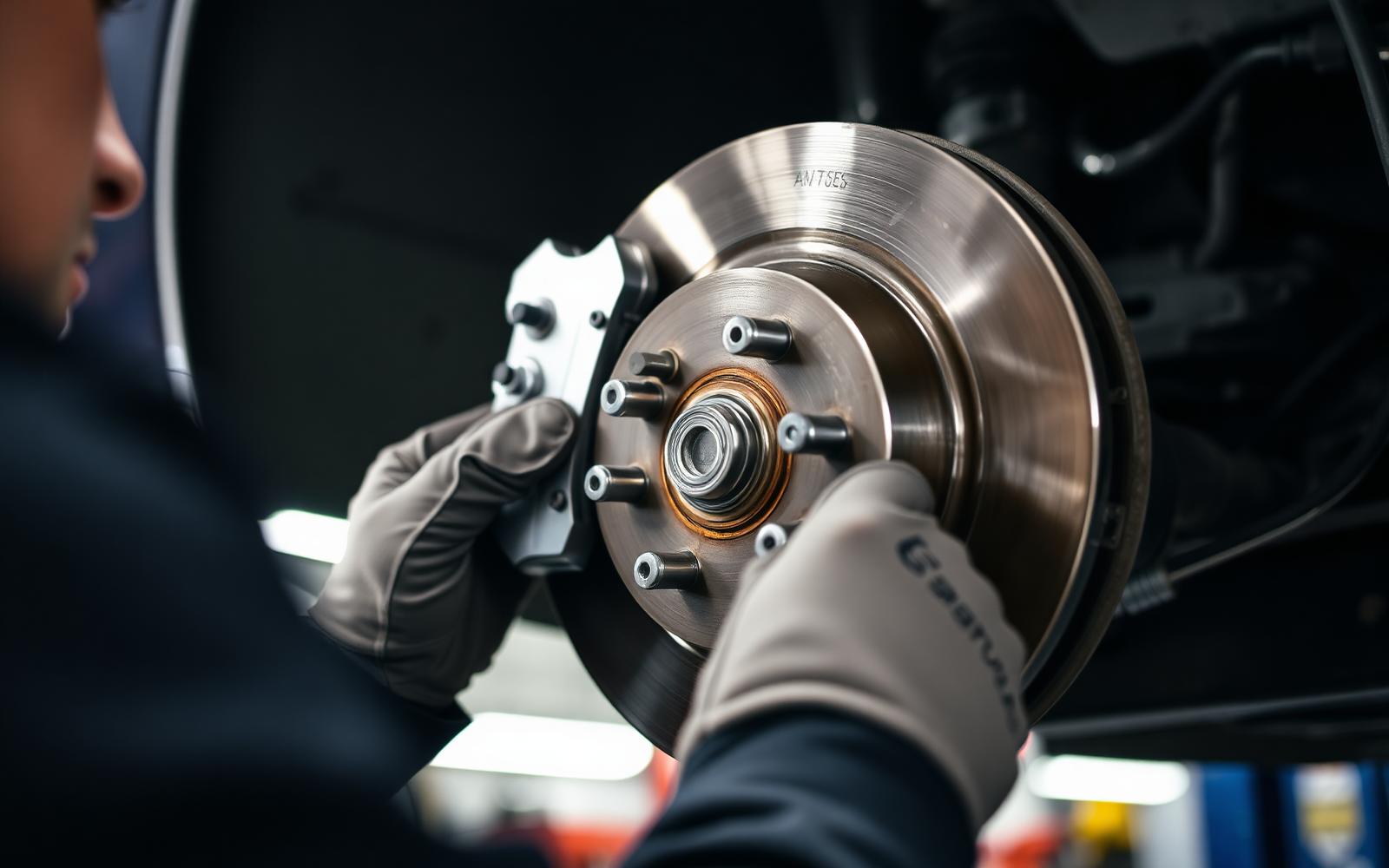
Do not ignore persistent squealing, grinding, vibration, pulling, a soft or sinking pedal, longer stopping distance, a brake warning light, a burning smell, smoke, or visible fluid. If the vehicle does not stop normally or feels unsafe, pull over in a safe place and arrange professional help instead of continuing to drive.
Your brakes usually give you some warning before a serious problem develops. The challenge is knowing which sounds and sensations can wait for a convenient appointment and which ones mean you should stop driving.
For drivers in Pataskala and across Central Ohio, brake condition deserves extra attention. Summer road trips, frequent stop-and-go driving, potholes, temperature changes, winter moisture, and road-treatment chemicals can all add stress to braking components. Paying attention to early warning signs can help protect you, your passengers, and everyone sharing the road.
Persistent squealing or squeaking
A brief squeak after rain or an overnight temperature change can sometimes come from surface moisture. A high-pitched sound that returns every time you brake, however, may be a wear indicator contacting the rotor or another brake component asking for attention.
Do not rely on sound alone to estimate how much brake-pad material remains. Different vehicles and pad materials behave differently, so persistent noise is a good reason to schedule an inspection before the sound becomes grinding or stopping performance changes.
Grinding or metal-on-metal noise
Grinding is more urgent than an occasional squeak. It may indicate that the friction material is severely worn or that metal components are making contact. Continuing to drive can damage additional parts and may reduce braking performance.
If the grinding is new, severe, or accompanied by weaker braking, vibration, or a warning light, avoid unnecessary driving. Have the vehicle inspected promptly and arrange towing if it does not feel safe to operate.
Vibration, pulsation, or shaking while braking
A brake pedal that pulses or a steering wheel that shakes when you slow down can point to uneven rotor surfaces, heat-related wear, a sticking component, or another wheel, tire, or suspension issue. The exact cause cannot be confirmed from the driver's seat.
Because vibration can affect control and stopping confidence, it should be evaluated rather than accepted as normal — especially when it becomes stronger at highway speeds or during firm braking.
A soft, spongy, or sinking brake pedal
The brake pedal should feel predictable. If it suddenly feels softer than usual, travels closer to the floor, or continues sinking while you hold pressure, the hydraulic system may not be working correctly. Possible causes include a fluid leak, air in the system, or a failing hydraulic component.
Treat a significant change in pedal feel as urgent. If stopping ability is reduced, move to a safe location and have the vehicle transported for inspection. Do not keep driving simply because the car can still slow down.
The vehicle pulls to one side when stopping
A vehicle that moves left or right under braking may have uneven friction, a sticking caliper, a hydraulic problem, or a tire, alignment, or suspension concern. Regardless of the cause, pulling can make emergency braking harder to control.
An inspection can separate a brake problem from another steering or chassis issue and identify the correct repair instead of guessing from the symptom.
Longer stopping distance or weaker braking
If you need more room to stop than you did before, or you must press the pedal harder to get the same response, something has changed. Worn friction material, overheated components, contaminated surfaces, hydraulic problems, or even tire condition can affect how a vehicle stops.
A gradual change can be easy to overlook because drivers adapt to it. Compare the vehicle's current behavior with what is normal for that car, and do not wait for the problem to become dramatic before requesting an inspection.
A brake or ABS warning light stays on
A dashboard warning light should never be ignored. A red brake-system light can be related to the parking brake, low brake fluid, or a brake-system fault, depending on the vehicle. An ABS light generally indicates a problem with the anti-lock braking system; normal braking may remain, but anti-lock assistance may be unavailable.
First confirm that the parking brake is fully released, then follow the instructions in the owner's manual for your year, make, and model. If the light remains on — particularly with a change in pedal feel or stopping ability — arrange an inspection immediately.
Burning odor, smoke, or fluid near a wheel
A sharp burning smell after repeated hard braking can signal overheated components. Smoke near a wheel, a wheel that feels unusually hot, or fresh fluid near the vehicle can indicate a more serious issue such as a sticking brake or hydraulic leak.
Stop in a safe place, allow the vehicle to cool, and do not touch hot components. If there is smoke, visible leakage, a soft pedal, or reduced braking, arrange a tow rather than trying to drive to the shop.
Noticing one of these signs?
Our ASE-certified team can pinpoint the cause and explain what needs attention now versus what can wait. Book a brake inspection at our Pataskala shop.
Why Ohio driving conditions matter
Central Ohio drivers deal with conditions that can be hard on braking systems. Winter salt and de-icing chemicals can accelerate underbody corrosion, especially on older vehicles. Moisture and freezing temperatures can contribute to temporary noise, while potholes and rough pavement can affect tires, wheels, suspension, and the way a vehicle behaves during braking.
Ohio law requires vehicle brakes to be maintained in good working order. More importantly, your brakes need to respond predictably during rain, summer travel, winter weather, and everyday driving around Pataskala. A post-winter inspection is especially useful for checking brake lines and other exposed components for corrosion.
Learn more about our ASE-certified team in Pataskala before your next visit.
When should you stop driving?
Stop driving and arrange professional assistance when the vehicle does not brake normally or you notice any of the following:
- A pedal that suddenly becomes very soft, sinks toward the floor, or provides little braking response
- A significant increase in stopping distance
- Grinding combined with weak braking, severe vibration, or pulling
- Smoke, a strong burning odor, or visible fluid near a wheel or beneath the vehicle
- A red brake warning light accompanied by a change in braking behavior
If the brakes still feel normal but you hear a persistent squeal, notice mild vibration, or see an ABS warning, schedule an inspection promptly and drive only as your owner's manual and the vehicle's condition safely allow.
What a professional brake inspection should check
A proper inspection looks beyond the brake pads. Depending on the vehicle and symptoms, a technician may evaluate:
- Brake-pad or shoe thickness and wear pattern
- Rotor or drum condition
- Calipers, wheel cylinders, and hardware
- Brake hoses and metal lines for leaks, damage, or corrosion
- Brake-fluid condition and level
- Parking-brake operation
- ABS warning information and related diagnostic codes
- Vehicle behavior during a road test, when it is safe to perform one
The goal is to identify the cause of the warning sign and explain what needs attention now, what can be monitored, and what can be planned for later. You can also review our comprehensive auto repair services before requesting an inspection.
Brake warning signs: frequently asked questions
For additional information about appointments, warranties, and service, visit our frequently asked questions page.
Can brakes squeak even when the pads are not worn out?
Yes. Moisture, surface rust, dust, temperature, and some pad materials can create temporary noise. Persistent, worsening, or repeated squealing should still be inspected because sound alone cannot confirm remaining pad life.
How often should brakes be inspected?
There is no single interval that fits every vehicle and driving pattern. Follow the manufacturer's maintenance guidance and request an inspection whenever you notice a warning sign. It is also practical to have visible brake components checked during routine tire service or before a long trip.
Does an ABS light mean the brakes have completely failed?
Not necessarily. On many vehicles, conventional braking may remain while the anti-lock function is unavailable. The meaning varies by vehicle, so consult the owner's manual and have the system checked promptly — especially if another brake warning light is also on.
Can I keep driving if the brake pedal feels soft?
A soft or sinking pedal can indicate a hydraulic problem and should be treated seriously. If pedal feel changes suddenly or braking response is reduced, stop in a safe place and arrange professional assistance rather than continuing to drive.
Schedule a brake inspection in Pataskala, Ohio
Brake problems rarely improve on their own. Addressing a warning sign early can protect stopping performance and may prevent damage from spreading to additional components. If your vehicle is squealing, grinding, vibrating, pulling, displaying a warning light, or simply not stopping the way it normally does, request a brake inspection from Reliable Auto Care LLC at 330 Jefferson Park Dr. in Pataskala.